 Alt
AltWhat size generator do you need to charge an EV?
Short answer: more than you think, and the number on the box isn't the number you get.
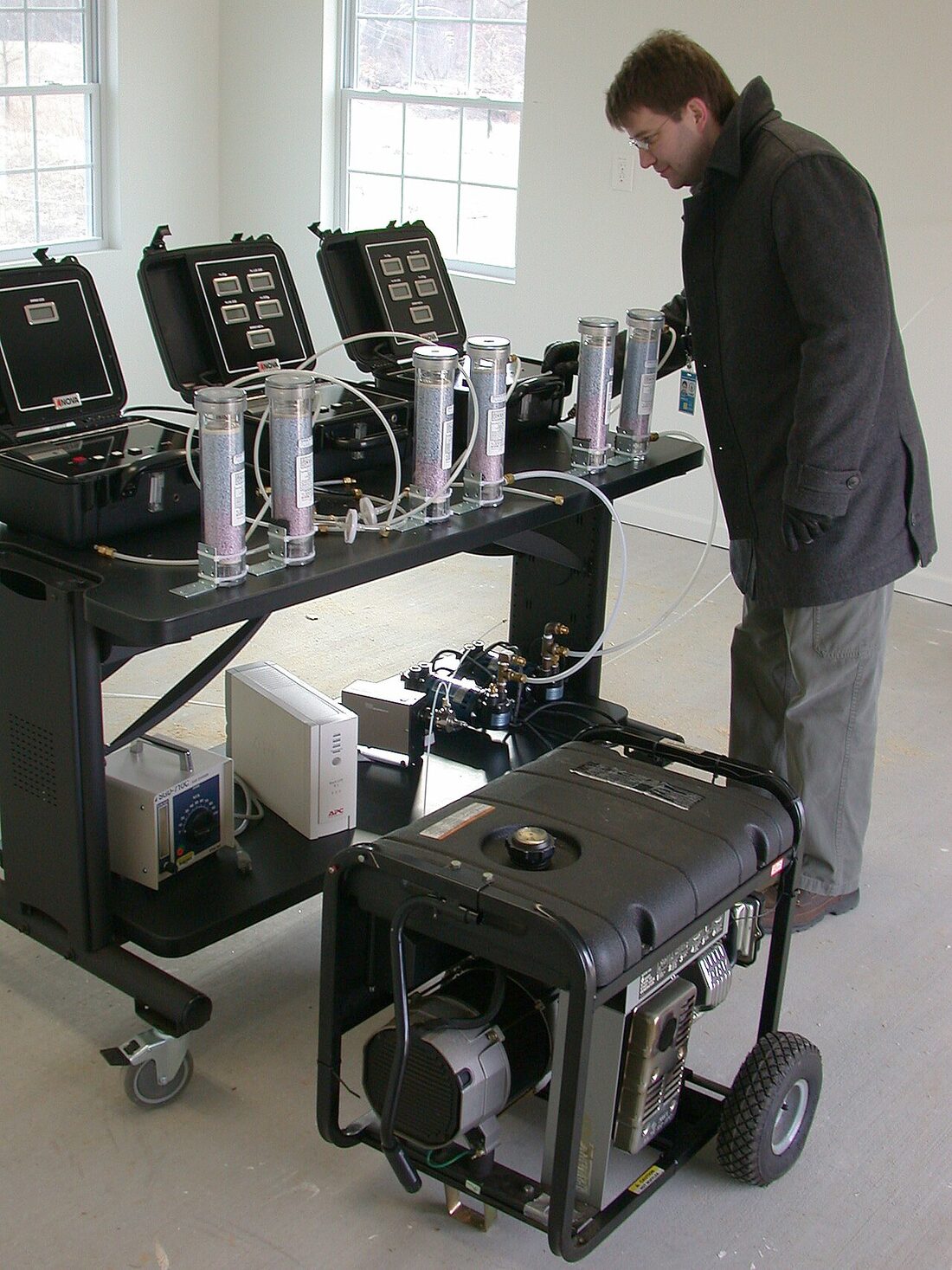
Read this before you look at a single wattage
If the generator has no 240V outlet, its wattage is irrelevant. A 120V outlet caps EV charging at roughly 1.4–1.9 kW no matter what — that is Level 1, and it is 3–5 miles of range per hour, full stop.
A 12,000W generator with only 120V receptacles charges your car at exactly the same speed as a 2,000W one: about 5 miles per hour. The bottleneck is the outlet, not the engine. Every number further down this page assumes a NEMA 14-50R or L14-30R 240V receptacle. Confirm your generator has one before you compare anything else.
Three things shrink the sticker number
1. Peak watts are marketing
A generator advertised at 10,500 watts is quoting the surge it can hold for a few seconds. The number that matters is running watts, often 25% lower. Mine is a 10,500W unit that runs at 7,800W.
2. EV charging is a continuous load
Continuous loads get derated to 80% — the same rule your electrician applies to breakers. That 7,800W generator has about 6,240W available for hours-long charging, not 7,800W.
3. Alternate fuels cost you output
Propane typically runs about 10% below gasoline, natural gas about 20% below. Convenient fuels, smaller numbers. Altitude takes another ~3% per 1,000 feet above 3,000.
Realistic charge rates by generator size
120V-only generators — wattage does not matter
| Generator | Set car to | Range/hr (mild) | Range/hr (freezing) |
|---|---|---|---|
| Any 120V-only unit | 12–16A @ 120V | ~4–5 mi | ~3 mi |
One row, because there is only one answer. Whether it is 2,000W or 12,000W, a 120V receptacle gives you Level 1 charging and nothing more. Overnight that is 40–50 miles, which is genuinely useful in an outage — but it is not a charging strategy, and no amount of extra wattage improves it.
240V-capable generators
These need a 14-50R or L14-30R receptacle and the voltage selector set to 120/240 mode. Below roughly 5,000W running, 240V output is uncommon — verify rather than assume.
| Running watts | Set car to | Range/hr (mild) | Range/hr (freezing) |
|---|---|---|---|
| 5,000W (240V rare at this size) | 16A | ~13 mi | ~8 mi |
| 6,500W | 20A | ~16 mi | ~10 mi |
| 7,800W | 24A | ~19 mi | ~12 mi |
| 9,500W | 28A | ~22 mi | ~14 mi |
| 12,000W | 40A | ~32 mi | ~20 mi |
The practical floor for useful generator charging is about 6,000W running with a 240V outlet. Below that you are paying for an engine you cannot fully use.
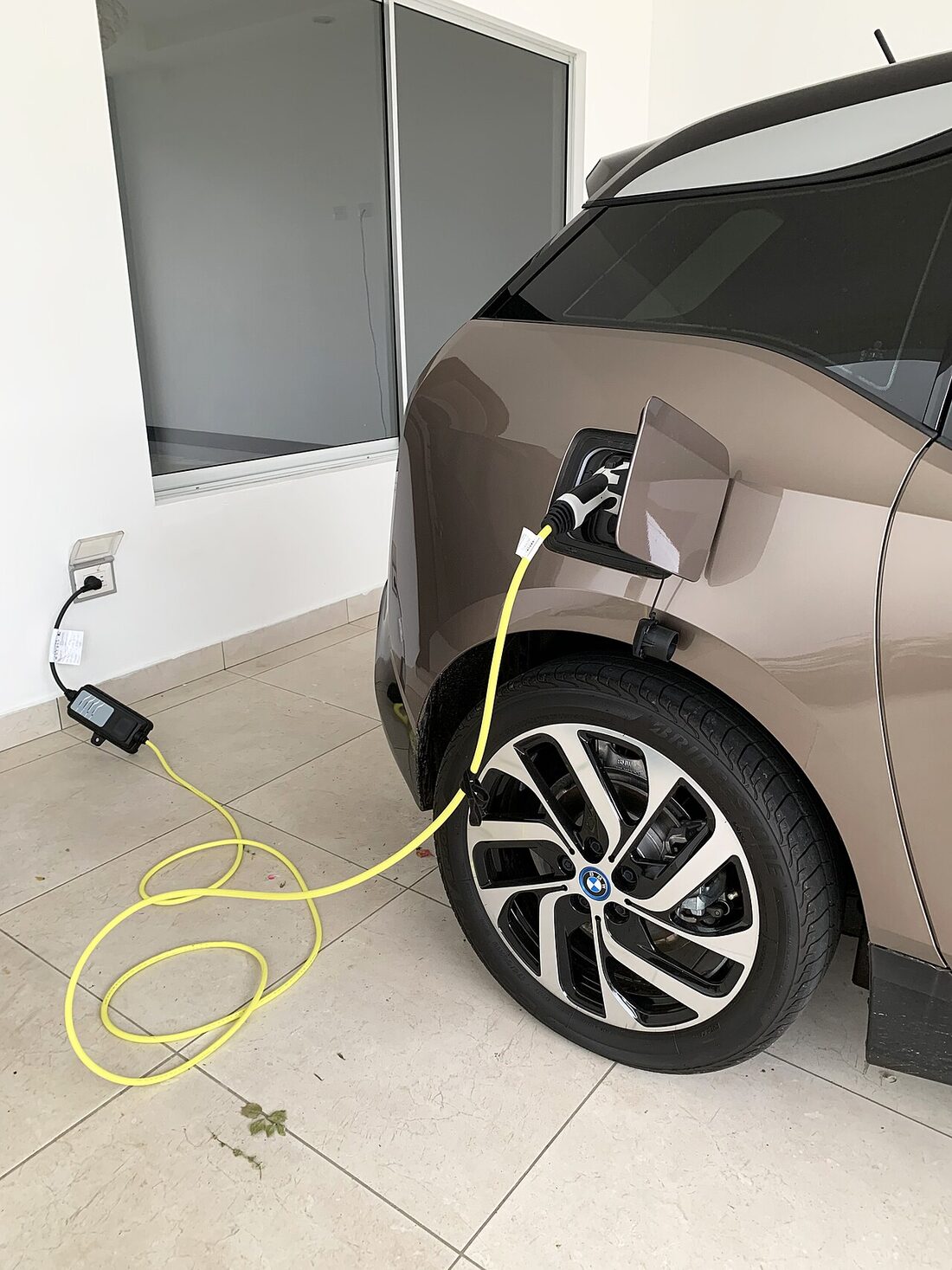
Inverter or conventional?
Inverter. There is no second option, and this is the spec people most often try to economise on. The full argument, including what conventional power actually does to an onboard charger →
Inverter, without much debate. Conventional generators produce a rougher waveform — total harmonic distortion of 15–25% is normal. An EV's onboard charger is a sensitive electronic load, and some will simply refuse dirty power. Inverter units hold under 3%.
Open-frame inverter generators are the sweet spot for this job: inverter-clean output, higher wattage per dollar than enclosed models, at the cost of some noise. That's what I run.
What you actually need besides the generator
- A bonding plug if yours has a floating neutral — this stops most people cold
- NEMA 14-50 connection for 240V charging; the L14-30 works at lower amperage
- A short, heavy cord — voltage sag over thin 50-foot extensions causes phantom faults
- Fuel for the duration — at 24A you're burning roughly half a gallon per 10 miles of range
Run generators outdoors only, well away from windows, doors, and any enclosed space. Carbon monoxide from a portable generator kills people every year, and it does it quickly. A CO sensor with automatic shutoff is worth insisting on when you buy.